Reducing Callbacks After Pool Inspections
Reduce pool inspection callbacks and improve customer satisfaction with accurate, efficient processes that save time and boost compliance.
How Better Processes Reduce Follow-Up Calls
As a pool inspector, there is nothing more frustrating than returning to a job you thought was complete because a small oversight or unclear communication led to a callback. Every follow-up call costs time, reduces productivity, and can harm your reputation with clients. Fortunately, better processes and digital tools can significantly reduce these recurring issues, making inspections smoother and customers happier.
Why Pool Inspection Callbacks Happen
Before solving a problem, it helps to understand why it exists. Pool inspection callbacks are usually caused by one or more of the following:
- Incomplete or inaccurate reporting: Missing data or misread measurements can force inspectors back to the pool.
- Poor documentation: Paper-based reports are prone to mistakes, smudges, and lost forms.
- Miscommunication with clients: If recommendations or requirements are unclear, clients may call back for clarification.
- Regulatory oversights: Pool safety standards are strict, and small compliance gaps often trigger repeat visits.
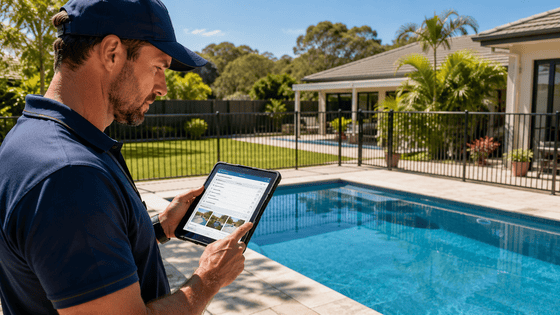
Imagine inspecting a backyard pool and later realising a chemical reading was misrecorded or a safety requirement was overlooked. Enhancing inspection accuracy with digital tools directly targets these common callback causes, helping inspectors feel more competent and confident, and reducing anxiety about follow-up visits. This begins with implementing measures that improve data accuracy and streamline workflows.
Streamlining Processes to Reduce Callbacks
Efficiency and accuracy go hand in hand. Here are proven strategies that help pool inspectors reduce follow-up calls:
1. Digital Reporting Tools
Switching from paper forms to a digital inspection platform ensures every measurement, photo, and note is logged accurately. Features that help include:
- Real-time data entry on tablets or smartphones.
- Auto-calculated chemical readings.
- Mandatory fields to prevent missing information.
Digital reports can also be shared with clients immediately, eliminating confusion and reducing follow-up questions.
2. Standardised Checklists
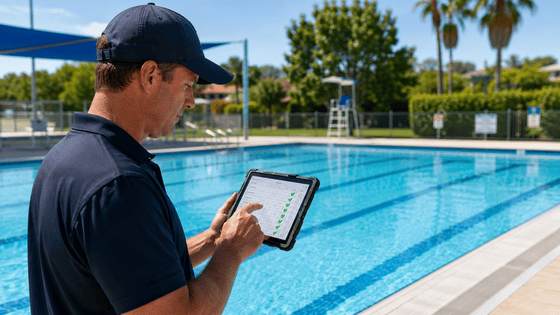
Using standardised checklists for every inspection ensures nothing is overlooked. A consistent framework helps inspectors:
- Cover all safety requirements and compliance points.
- Capture critical photos and readings.
- Deliver reports that clients can easily understand.
By standardising your process, your team can reduce human error and improve customer satisfaction.
3. Integrated Photo and Video Evidence
Photos and videos are powerful tools. Instead of describing a minor issue in words, a quick snapshot or short video clip:
- Provides undeniable proof of conditions.
- Helps clients understand what needs attention.
- Reduces disputes or misunderstandings.
When combined with digital forms, this evidence is automatically linked to the inspection report, reducing callbacks.
4. Automated Follow-Ups
Modern pool inspection software can automate follow-up reminders and notifications for both inspectors and clients. Benefits include:
- Reminding clients of recommended maintenance.
- Alerting inspectors to incomplete fields or flagged issues.
- Streamlining communication and reducing repeat visits.
Automated workflows keep everyone on the same page, preventing gaps that often lead to callbacks.
Real-World Example: From Frustration to Efficiency
Consider a typical residential inspection. Before implementing digital tools, inspectors might spend 30 minutes manually recording readings and taking photos, then another 30 minutes filing paperwork. Any mistake meant returning the next day.
With a digital platform like Formitize, the same inspection might take the same amount of time onsite, but:
- Data is recorded accurately once.
- Clients receive immediate reports with embedded photos.
- Any flagged issues trigger automatic alerts to the inspector.
The result? Fewer pool inspection callbacks, more satisfied customers, and more inspections completed per day.
Benefits Beyond Fewer Callbacks
While reducing repeat visits is the primary goal, streamlining your processes offers other advantages:
- Time savings: Spend less time on administrative work and more on inspections.
- Improved compliance: Standardised reports ensure all regulatory requirements are met.
- Enhanced professionalism: Clients receive detailed, easy-to-understand reports.
- Data insights: Track recurring issues across multiple inspections to improve services.
Investing in better processes is not just about reducing calls; it's about improving the overall quality of your inspections and business operations.
Getting Started with a Smarter Inspection Workflow
For pool inspectors looking to reduce callbacks and boost efficiency, the first step is adopting a platform that supports:
- Mobile inspections with real-time data capture.
- Standardised templates and checklists.
- Automatic photo and video integration.
- Streamlined client communication and reporting.
By leveraging these tools, inspectors can ensure inspection accuracy and customer satisfaction while minimising unnecessary return visits.
Key Takeaways
- Callbacks often result from incomplete data, miscommunication, or regulatory oversights.
- Digital reporting, checklists, and photo evidence reduce errors and streamline inspections.
- Automated follow-ups and alerts keep clients and inspectors aligned.
- Efficient processes save time, improve compliance, and enhance professionalism.
Start a Free Trial and see how Formitize can help you reduce pool inspection callbacks while improving workflow efficiency.