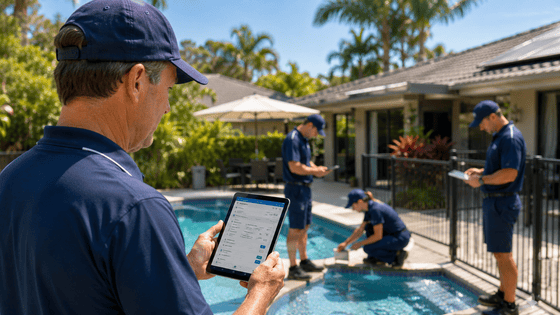
How Top Pool Inspectors Structure Their Inspection Process
Learn the step-by-step pool inspection process used by top inspectors. Improve your pool safety workflow, streamline reports, and scale your inspection business
A Step-by-Step Pool Inspection Process That Scales
For many pool inspectors, the difference between a stressful day and a smooth one often comes down to process.
You might have years of experience and a great eye for safety issues, but if your pool inspection process changes from job to job, things can quickly become inefficient. Missed checklist items, inconsistent documentation, and follow-up confusion can lead to re-inspections, delays, or compliance risks.
Top-performing inspectors understand something important: a reliable pool safety workflow is the foundation of a scalable inspection business.
Instead of reinventing the process every time they visit a property, successful inspectors follow a structured inspection checklist and workflow that ensures every inspection is thorough, compliant, and efficient. This consistency fosters trust in their professionalism, inspiring confidence in clients and stakeholders.
In this guide, we’ll break down how leading pool certifiers structure their inspection process, and how the right tools can help you streamline it.
Why a Structured Pool Inspection Process Matters
Pool inspections involve much more than simply checking a fence and signing off on a certificate.
Inspectors must navigate local safety regulations, documentation requirements, evidence collection, and reporting. Without a structured workflow, it becomes easy to miss details, particularly during busy weeks with multiple site visits.
A consistent pool certifier best practice workflow helps inspectors:
- Reduce missed compliance issues.
- Standardise inspection quality across every job.
- Complete reports faster.
- Minimise costly re-inspections.
- Maintain professional documentation for audits or disputes.
Think of your inspection process like a pre-flight checklist for a pilot. Even experienced professionals rely on structured procedures to ensure nothing gets overlooked.
Step 1: Pre-Inspection Preparation
The best inspections begin before you arrive at the property.
Top pool inspectors prepare by reviewing job details and ensuring they have the correct inspection checklist ready.
Typical preparation includes:
- Confirming the property address and access details.
- Reviewing the relevant pool safety regulations for the jurisdiction.
- Preparing a digital inspection checklist.
- Ensuring cameras, measurement tools, and documentation systems are ready.
Without preparation, inspectors often waste time on-site chasing missing information or paperwork.
Digital inspection tools can help here by automatically loading the correct checklist, regulations, and inspection templates for each job, reducing manual effort and stress, and empowering inspectors to work more confidently and efficiently.
Step 2: Conducting the Initial Site Assessment
Once on-site, experienced inspectors begin with a high-level visual assessment.
This initial walkthrough helps identify obvious safety risks and gives context before diving into the detailed checklist.
Inspectors typically look for:
- Pool fence integrity and height;
- Gate functionality and self-closing mechanisms;
- Obvious gaps, climbable objects, or damage;
- Pool access points; and
- Warning signage and visibility.
This quick overview helps inspectors prioritise areas that may require closer examination.
It also ensures nothing unexpected catches you off guard later in the inspection.
Step 3: Systematic Safety Inspection
Next comes the core of the pool inspection process, a structured, step-by-step evaluation using a checklist.
This is where the inspection checklist becomes critical. Rather than relying on memory, professional inspectors follow a standardised checklist.
Typical inspection areas include:
Pool Barrier Compliance
Inspectors verify that fencing meets safety requirements, including:
- Minimum fence height;
- Maximum allowable gaps;
- Non-climbable zones; and
- Structural stability.
Gates and Latching Mechanisms
Gate compliance is one of the most common failure points.
Inspectors check:
- Self-closing functionality;
- Self-latching mechanisms;
- Latch height and positioning; and
- Gate swing direction.
Surrounding Hazards
Inspectors also review the surrounding environment for safety risks:
- Climbable furniture near fences;
- Landscaping that reduces barrier effectiveness; and
- Nearby structures that compromise the barrier.
Using a structured pool safety workflow ensures each inspection follows the same methodical approach.
Step 4: Evidence Collection and Documentation
Modern compliance standards increasingly require clear evidence and documentation.
Top inspectors capture detailed records during the inspection, including:
- Photos of key compliance areas;
- Images of defects or non-compliant structures;
- Notes explaining observed issues; and
- Measurements where required.
Proper documentation protects both the inspector and the property owner, providing peace of mind and security, and ensuring their work is transparent and defensible in the event of disputes or audits.
If a dispute or audit occurs later, the inspector can clearly demonstrate what was inspected and what was found at the time.
Digital inspection platforms simplify this process by allowing inspectors to attach photos and notes directly to checklist items.
Step 5: Clear Reporting and Compliance Outcomes
After the inspection is complete, inspectors must deliver clear and professional reports.
A well-structured report should include:
- Inspection summary;
- Compliance status;
- Identified safety issues;
- Recommended remediation steps; and
- Photo evidence.
The faster inspectors can generate these reports, the more efficient their business becomes.
Inspectors who rely on handwritten notes or manual report writing often spend hours each evening finishing paperwork.
By contrast, inspectors using digital workflows can generate professional reports instantly after completing the checklist.
Step 6: Managing Follow-Ups and Re-Inspections
Not every inspection results in immediate compliance.
When issues are found, inspectors must manage:
- Client notifications;
- Corrective action guidance;
- Re-inspection scheduling; and
- Compliance tracking.
Without a system, these follow-ups can quickly become disorganised.
A structured pool inspection process ensures every failed inspection includes clear next steps and documented remediation requirements, reducing follow-up confusion.
How Technology Helps Pool Inspectors Scale Their Workflow
As inspection businesses grow, managing inspections manually becomes increasingly difficult.
Paper forms, scattered photos, and manual reports slow down operations and increase the risk of compliance errors.
Digital inspection platforms like the Pool Inspector App by Formitize help inspectors streamline their entire pool safety workflow.
With the right system, inspectors can:
- Use digital inspection checklists tailored to regulations.
- Capture photos and notes directly in the inspection report.
- Automatically generate professional compliance reports.
- Track re-inspections and corrective actions.
- Manage multiple inspections efficiently.
Instead of juggling paperwork, inspectors can focus on delivering accurate inspections and growing their business.
The Real Advantage of a Repeatable Inspection Process
The most successful inspection businesses are not just thorough, they are consistent.
A repeatable pool certifier best practice workflow ensures that every inspection follows the same professional standard, regardless of who performs it or how busy the schedule becomes.
The result:
- Faster inspections;
- Fewer missed compliance issues;
- Better documentation;
- Higher client confidence; and
- A business that can scale without chaos.
When every inspection follows a clear structure, the entire operation runs more smoothly and reliably.
Start Building a Smarter Pool Inspection Workflow
If your current process still relies on paper forms, scattered photos, or manual reporting, it may be time to modernise your workflow.
Digital inspection systems can help you standardise your pool inspection process, improve compliance, and dramatically reduce reporting time.
With the right tools, every inspection becomes faster, easier, and more professional.
Ready to streamline your inspections and scale your business?
Start a Free Trial of the Pool Inspector App by Formitize today and see how a structured inspection workflow can transform your inspection process.