How Long Should a Pool Inspection Really Take
Learn how long a pool inspection should take, tips for improving inspection efficiency, and boosting pool certifier productivity with Formitize software.
Setting Realistic Inspection Timeframes
As a pool inspector, you know the job is more than just checking water levels and safety barriers. Every property is different, and inspection time can vary widely. Understanding the time expectations for pool inspections is crucial, not only for meeting client needs but also for maintaining your own efficiency and profitability.
If you've ever felt like your days are swallowed by paperwork, site travel, and repeated follow-ups, you're not alone. The key lies in realistic planning and leveraging the right tools to streamline inspections without compromising compliance, helping you feel more in control and confident in your work.
Why Pool Inspections Take Time
Several factors influence how long a pool inspection really takes:
- Property Size and Complexity
Large residential pools, multi-level decks, or commercial facilities require more time than a standard backyard pool. Thoroughly inspecting every safety barrier, equipment setup, and plumbing system is essential for compliance. - Documentation Requirements
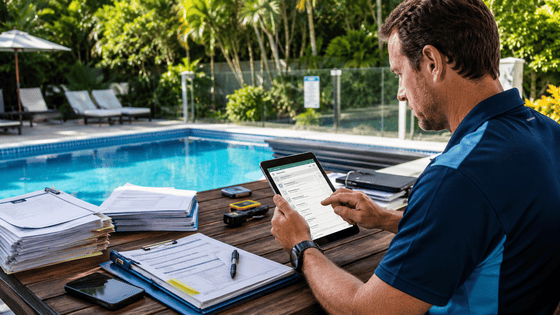
Regulatory bodies expect detailed reports. Taking photographs, filling out forms, and ensuring every signature and measurement is recorded can add significant minutes to each inspection. - Accessibility and Safety Checks
Pools with difficult access points or high-risk features (like diving boards or spas) naturally slow down the inspection process. Safety cannot be rushed, even when schedules are tight. - Client Interaction
Explaining issues, answering questions, and demonstrating safety improvements are often necessary parts of the inspection, but can extend your time on site.
How to Improve Inspection Efficiency
Optimising your workflow with checklists and analytics can boost your confidence and professionalism, making inspections smoother and more reliable.
1. Pre-Inspection Preparation
- Review property history and previous inspection reports.
- Verify equipment specifications and known compliance issues.
- Prepare all forms and checklists in advance.
By the time you arrive on-site, you can focus solely on the inspection rather than hunting for paperwork.
2. Use Digital Inspection Tools
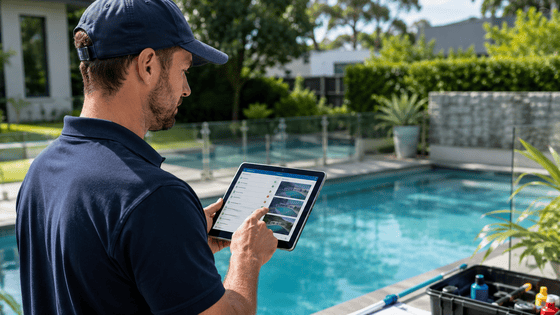
Paper forms and manual note-taking slow down inspections. Digital solutions like Formitize allow inspectors to:
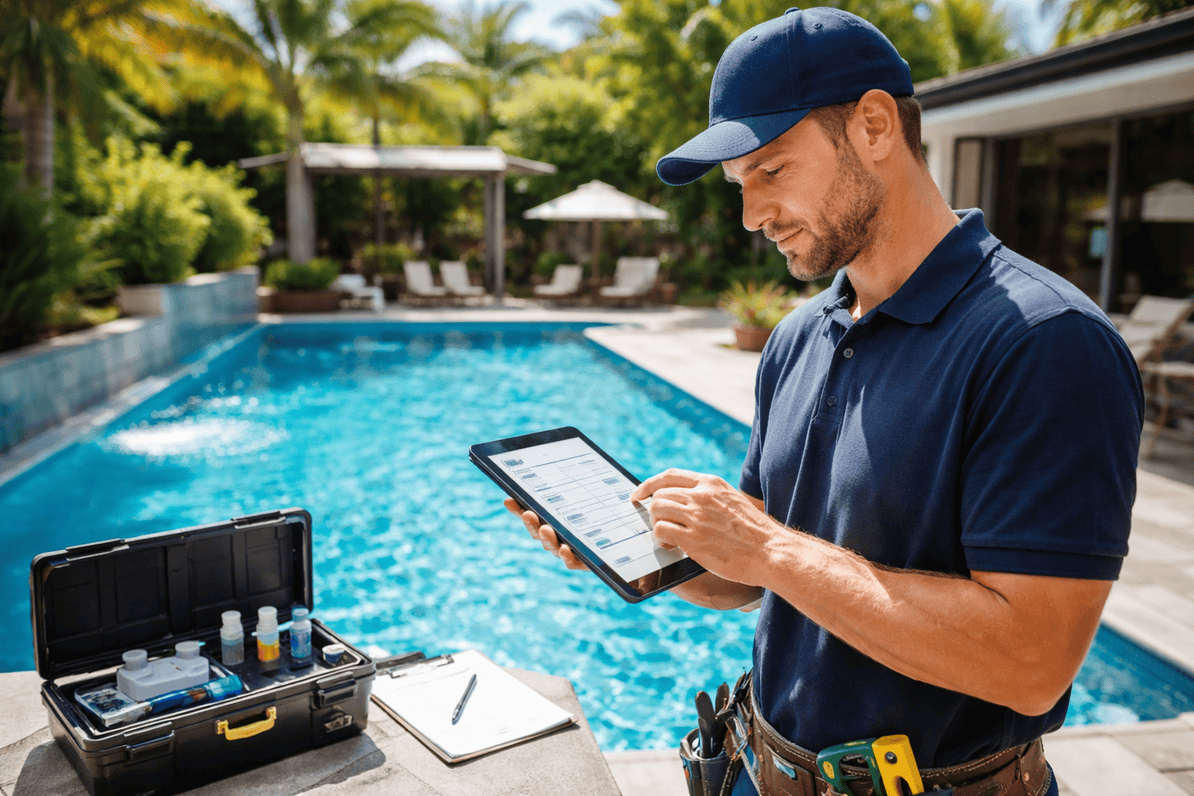
- Complete checklists on a tablet or smartphone.
- Take and attach photos directly to reports.
- Auto-generate compliant reports instantly.
This not only reduces time spent on-site but also decreases errors and follow-up queries.
3. Implement Standardised Checklists
A consistent workflow ensures you cover every critical area without wasting time thinking about what to do next. Standardised checklists can also help train new inspectors and maintain high compliance standards.
4. Time Tracking and Analytics
By tracking how long each inspection component takes, you can identify bottlenecks and improve future scheduling. Formitize’s reporting features let you measure your efficiency and identify small changes that can save minutes or hours each week, boosting overall productivity.
Real-World Example
Consider a scenario:
Jane, a pool inspector, previously spent about 90 minutes per residential inspection, much of it on paperwork. After adopting Formitize, she could:
- Pre-fill property info before arriving.
- Complete safety checks and add photos directly into the system.
- Generate a fully compliant report automatically.
Result: her inspections now average 45-50 minutes, freeing up time for more clients and improving her inspection efficiency.
Managing Client Expectations
Clients often underestimate how long inspections take. Setting clear expectations can reduce pressure and help maintain professional standards:
- Explain the inspection steps in advance.
- Share average timeframes for different property types.
- Highlight the importance of thorough safety and compliance checks.
This transparency builds trust and avoids rushed inspections that could compromise safety or lead to errors in documentation.
Key Takeaways
- A typical pool inspection takes 30-60 minutes, depending on the property's complexity.
- Preparation, standardised checklists, and digital tools are essential to boost inspection efficiency.
- Using software like Formitize enhances pool certifier productivity, reduces errors, and ensures compliance.
Optimising how you manage inspections allows you to complete more jobs safely, maintain client trust, and increase your revenue without working longer hours.
Start Optimising Your Inspections Today
Ready to see how digital tools can cut your inspection time in half? Start a Free Trial with Formitize and take the first step toward faster, more efficient, and fully compliant pool inspections.